

October is Charcot-Marie-Tooth (CMT) Awareness Month, an opportunity to raise awareness of one of the most common inherited neurological conditions, yet one that remains relatively unfamiliar to many people.
Around 25,000 people in the UK are thought to be living with CMT. Although it can affect mobility, muscle strength and sensation, its impact extends well beyond the physical symptoms that others might notice.
For carers and support workers, understanding CMT is an important part of recognising an individual’s needs, supporting their independence and helping them maintain their quality of life.
What is Charcot-Marie-Tooth disease?
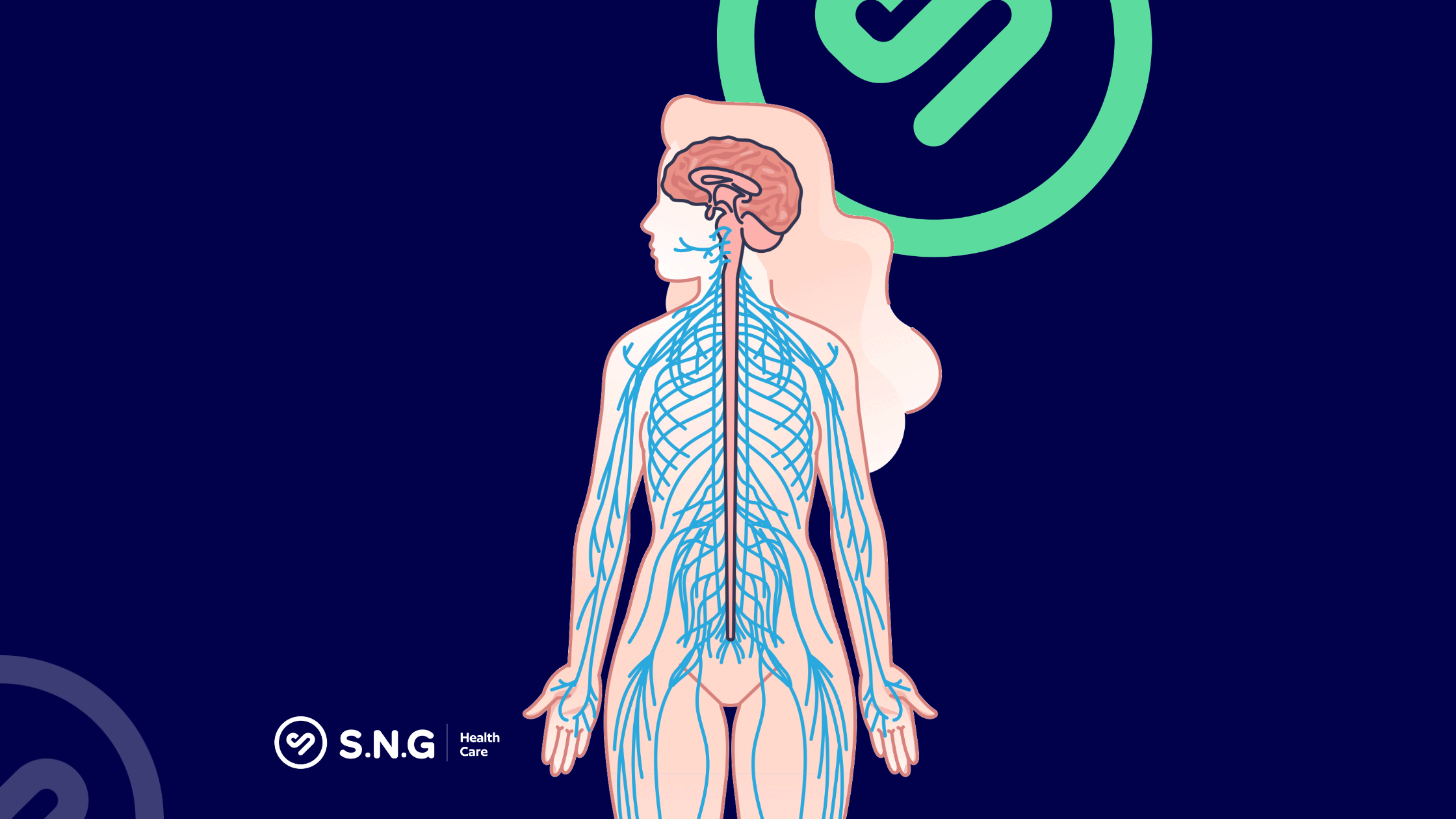
Charcot-Marie-Tooth disease, commonly known as CMT, is a group of inherited neurological conditions that affect the peripheral nerves.
These nerves carry messages between the brain, spinal cord and the rest of the body. They help control muscle movement and allow us to experience sensations such as touch, temperature and pain.
In someone with CMT, damage to these nerves gradually affects their ability to communicate effectively with the muscles and sensory systems.
This can result in muscle weakness, reduced sensation, difficulties with balance and changes in the way someone walks.
CMT is a progressive condition, meaning symptoms generally develop or worsen over time. However, the rate of progression varies considerably between individuals.
Some people experience relatively mild symptoms throughout their lives, while others require increasing support with mobility and everyday activities.
Most people with CMT have a normal life expectancy, although the condition can significantly affect their day-to-day lives.
What causes CMT, and how does it develop?
CMT is a genetic condition caused by changes in genes responsible for the development and functioning of peripheral nerves.
These genetic changes can affect either the nerve fibres themselves or the protective covering around them, known as the myelin sheath.
Over time, this damage interferes with the signals travelling between the nerves and muscles.
CMT can be inherited from one or both parents, depending on the specific genetic variation involved. However, some cases arise from a new genetic change, meaning there may be no previous family history of the condition.
There are several different types of CMT, each associated with particular genetic changes.
Symptoms commonly begin during childhood or adolescence, although some people do not develop noticeable symptoms until adulthood.
Because CMT is inherited, it is not contagious and cannot be caused by lifestyle choices.
For individuals with a family history of CMT, genetic counselling may help them understand how the condition is inherited and what this could mean for their family.
What are the symptoms of CMT?
One of the most important things to understand about CMT is that no two people necessarily experience the condition in the same way, even when they belong to the same family.
The type of CMT, its severity and the rate at which symptoms progress can all vary.
Common symptoms include:
-
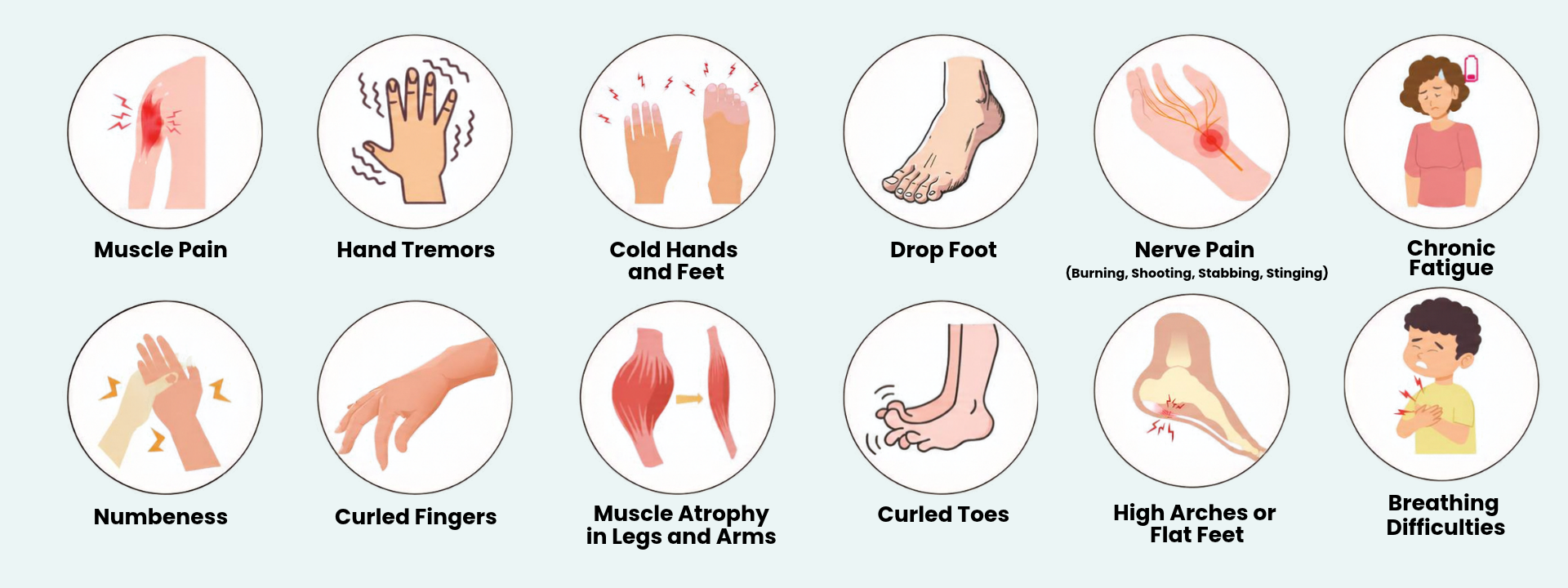
Muscle weakness: Often beginning in the feet, ankles and lower legs, and sometimes progressing to the hands and arms.
-
Difficulty walking: Including an unusual walking pattern, reduced balance or foot drop, where lifting the front of the foot becomes difficult.
-
Changes in foot shape: Such as unusually high arches, flat feet or curled toes.
-
Reduced sensation: Numbness or tingling in the hands, feet or limbs.
-
Fatigue: Everyday movements can require considerably more effort, leaving individuals feeling physically exhausted.
-
Pain: Including muscle and joint discomfort, and sometimes nerve-related pain.
-
Reduced hand strength and dexterity: Making activities such as fastening buttons, writing or handling small objects more challenging.
Some individuals may also experience tremors, spinal curvature or other complications.
Importantly, many symptoms are not immediately visible.
Someone living with CMT may appear physically well while experiencing significant fatigue, discomfort or difficulties with movement.
Recognising these less visible challenges is particularly important for anyone providing care or support (NHS CMT Symptoms)
How is CMT diagnosed?
If someone experiences symptoms associated with CMT, their GP may refer them to a neurologist for further assessment.
Diagnosis generally involves reviewing the individual’s symptoms, medical history and any family history of neurological conditions.
Further investigations may include nerve conduction studies, which measure how effectively electrical signals travel through the nerves, and genetic testing to identify particular genetic changes.
An accurate diagnosis can help individuals and their healthcare teams understand the condition and develop an appropriate treatment and support plan (NHS CMT Diagnosis)
What treatment is available for CMT?
There is currently no cure for Charcot-Marie-Tooth disease. However, a range of treatments and therapies can help people manage their symptoms, maintain mobility and continue living as independently as possible.
Treatment is usually tailored to the individual and may involve several healthcare professionals working together.
Physiotherapy
Physiotherapy can help maintain muscle strength, flexibility and mobility. Individualised exercise programmes may also help manage stiffness and reduce the risk of muscle contractures.
Occupational therapy
Occupational therapists can recommend practical adjustments and equipment to make everyday activities easier, whether that involves getting dressed, preparing meals or completing tasks at work.
Mobility aids and orthotics
Some people benefit from ankle-foot orthoses (AFOs), supportive footwear, walking aids or other equipment that improves stability and reduces the risk of falls.
Pain management
Where pain is a significant symptom, healthcare professionals may recommend medication or other approaches to help manage discomfort.
Surgery
In certain circumstances, orthopaedic surgery may be considered to address foot deformities or other complications affecting mobility.
Regular assessments are also important, as someone’s needs may change as the condition progresses.
The overall aim of treatment is to help individuals maintain their abilities, manage symptoms and enjoy the best possible quality of life.

How can carers and support workers help someone living with CMT?
For those working in health and social care, supporting someone with CMT requires an understanding of both the physical and emotional impact of the condition.
As symptoms and abilities can vary significantly, the starting point should always be understanding the individual, their preferences and the support they actually need.
Here are some important considerations for carers and support workers.
1. Encourage independence wherever possible
Someone living with CMT may find certain everyday activities difficult, but that does not necessarily mean they need someone to complete those tasks for them.
Carers and support workers should encourage individuals to maintain their independence wherever it is safe and practical to do so.
This might involve allowing additional time for someone to get dressed, providing equipment that makes tasks easier or offering assistance only when requested.
The aim is to provide support that respects the person’s abilities, choices and dignity.
2. Be mindful of fatigue
Fatigue is a common and sometimes overlooked symptom of CMT.
Activities that appear relatively straightforward, such as walking a short distance, standing for an extended period or completing household tasks, may require considerably more energy.
Support workers can help by planning activities around the individual’s energy levels, allowing regular rest breaks and recognising when someone may need additional assistance.
It is also important to remember that fatigue can fluctuate. Someone who manages an activity independently one day may find it more challenging the next.
3. Support safe mobility and reduce the risk of falls
Muscle weakness, reduced sensation and difficulties with balance can increase the risk of trips and falls.
Support workers should familiarise themselves with the individual’s mobility needs and any equipment they use.
Practical considerations might include keeping walkways clear, ensuring frequently used items are accessible and checking that prescribed mobility aids are available when needed.
Where physical assistance is required, staff should follow the individual’s moving and handling plan and any guidance provided by relevant healthcare professionals.
4. Pay attention to foot care and reduced sensation
CMT can affect sensation in the feet, meaning someone may not immediately notice an injury, pressure from footwear or changes in skin condition.
For individuals who need assistance with personal care, support workers should remain attentive to any visible changes, such as redness, swelling or skin damage.
Any concerns should be reported through the appropriate care procedures so that advice can be sought from a healthcare professional.
Staff should also encourage individuals to follow any foot care recommendations provided by their podiatrist or wider healthcare team.
5. Recognise the emotional impact
Living with a progressive condition can bring emotional challenges alongside physical symptoms.
Some individuals may experience frustration when activities become more difficult, uncertainty about how their condition might develop or sadness about changes to their independence.
Others may find that their symptoms are misunderstood because they are not always visible.
Carers and support workers can make a meaningful difference by listening, acknowledging someone’s experiences and providing reassurance without dismissing their concerns.
It is important to avoid making assumptions about how someone feels or what they can manage.
Sometimes, simply asking how someone would prefer to be supported can make a considerable difference.
6. Recognise and communicate changes in needs
Because CMT is progressive, an individual’s support requirements may change over time.
Support workers are often well placed to notice changes in mobility, fatigue, pain or the person’s ability to manage everyday activities.
Accurate recording and communication are therefore essential.
Any new or worsening symptoms should be reported in accordance with the individual’s care plan and organisational procedures, allowing appropriate healthcare advice or reassessment to be arranged.
Support plans should also be reviewed as needs change, ensuring the assistance provided remains safe, appropriate and person-centred.
Looking beyond the diagnosis
CMT can affect many aspects of everyday life, but a diagnosis does not define the person living with it.
For some individuals, the condition may have relatively little impact on their daily routines. For others, it may influence how they work, socialise, travel or manage activities at home.
What matters is recognising that every person’s experience is different.
At SNG Healthcare, we believe good support begins with understanding the individual.
For carers and support workers, this means taking the time to listen, respecting personal choices and recognising that the level of assistance someone needs may change from day to day.
It also means understanding that providing good care is about supporting people to maintain as much control over their own lives as possible.
This CMT Awareness Month, we encourage everyone working in health and social care to take a little time to learn about the condition and the people living with it.
Greater awareness can help us recognise challenges that might otherwise go unnoticed, approach conversations with more understanding and provide support that genuinely reflects each individual’s needs.
Because sometimes, the most meaningful difference we can make begins with taking the time to understand.
Further information and support
For anyone wanting to learn more about Charcot-Marie-Tooth disease, the following organisations provide reliable information and resources.
Charcot-Marie-Tooth UK (CMTUK)
The UK’s dedicated charity supporting people living with CMT, their families, carers and healthcare professionals. It offers practical information, educational resources, community support and a national helpline.
Website: www.cmt.org.uk
Helpline: 0300 323 6316
Guide for Carers: https://www.cmt.org.uk/supporting-someone-with-cmt-a-guide-for-carers/
NHS
The NHS provides information about CMT, including its symptoms, causes, diagnosis and available treatments.
Website: NHS: Charcot-Marie-Tooth disease
This article is intended to raise awareness and provide general information. It does not replace individual medical advice or the guidance contained within a person's care and support plan.